Hurricane Emergency - Coastal Erosion
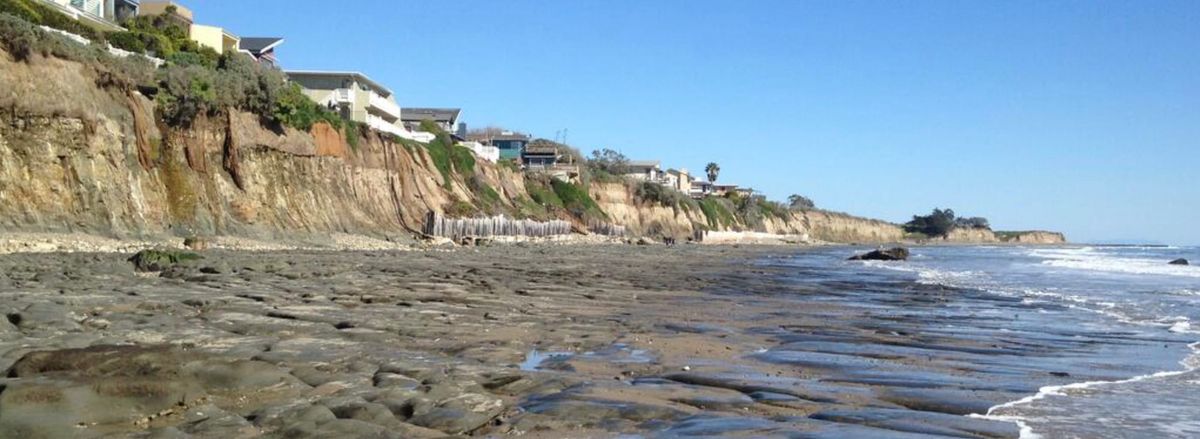
Loss of beaches in Southern California create huge impact on local communities
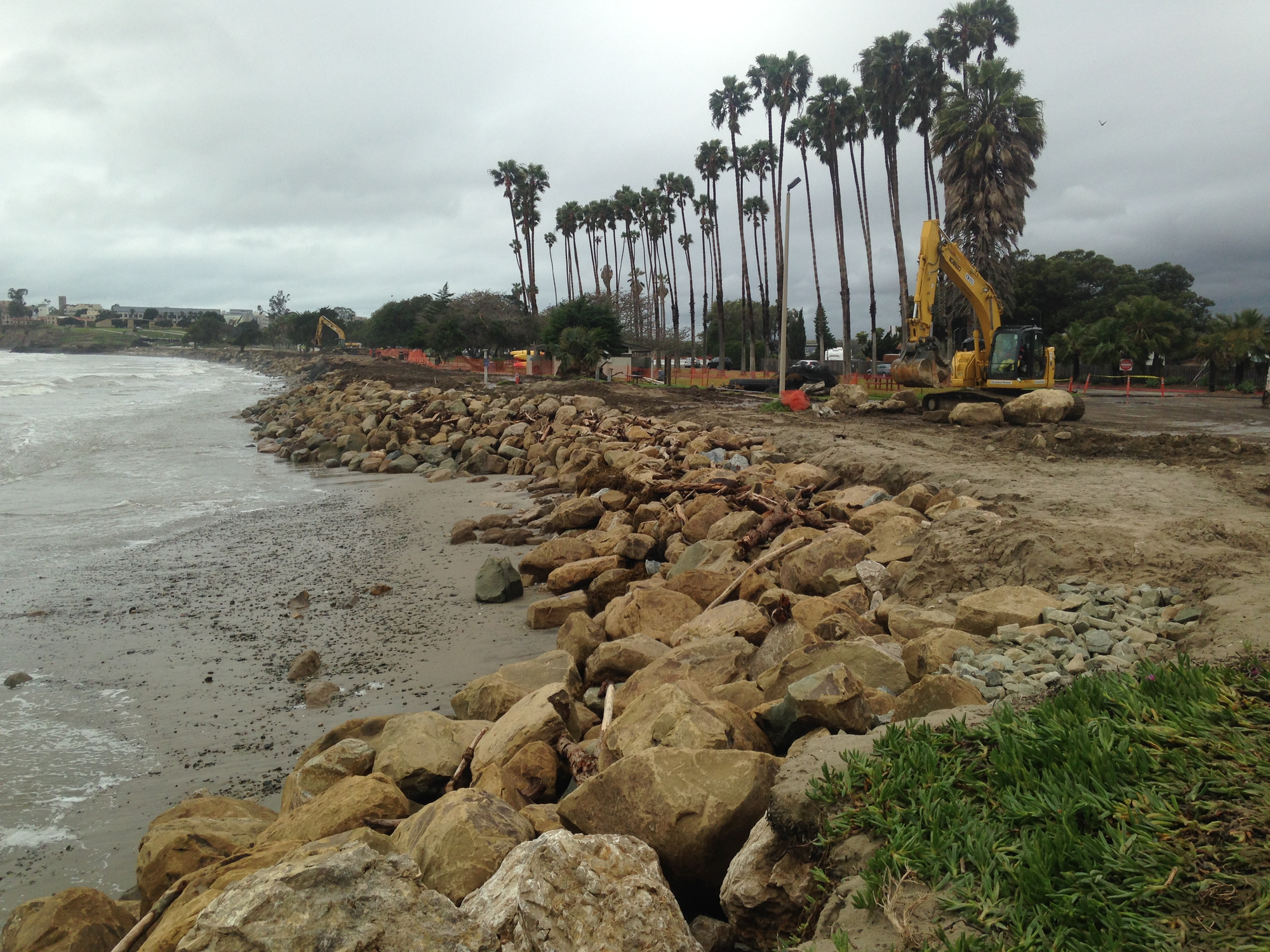
Coastal erosion is nothing new. If you have spent much time walking the beaches, you may notice collapsed section of bluffs, cobble beachlines, exposed seawalls, or even damaged homes. Seasonally this occurs more often during winter storms and heavy rainfall, though due to recent Hurricane Marie, several coastal cities declared local emergency to pull resources and rehabilitate our coast from the overall damage it had brought between San Diego to Long Beach.
Where does the sand all go?
A beach is not a permanent pile of sand - its a constantly changing system.
Erosion is a natural cycle that occurs when sediment like sand is disturbed and removed from its resting point. As beach waves crash on shores, the push and pull of the water moves sand into and out of the ocean; winter notoriously pulls sand in with big waves crashing higher up on the shoreline, whereas summer months sand slowly returns. Additionally, Southern California's beaches are divided into what scientists call littoral cells — essentially separate sediment systems where sand enters, moves along the shoreline and eventually settles or leaves the system.
Rainfall naturally carries sediment to the shores from inland sources through rivers and streams, though heavy development along the coast and inland has limited this source of sand making it to the beach. Sand also generally moves from north to south on our coast, but with installation of jetties and harbor structures, movement of sand has been limited - sand is either trapped in one area or completely missing in others. The effect of human development has impeded nature’s self defense from significant erosion activity.
Hurricane Marie’s Arrival
Several cities along the coastline have recently been impacted by Hurricane Marie, which came up the coast August/September.
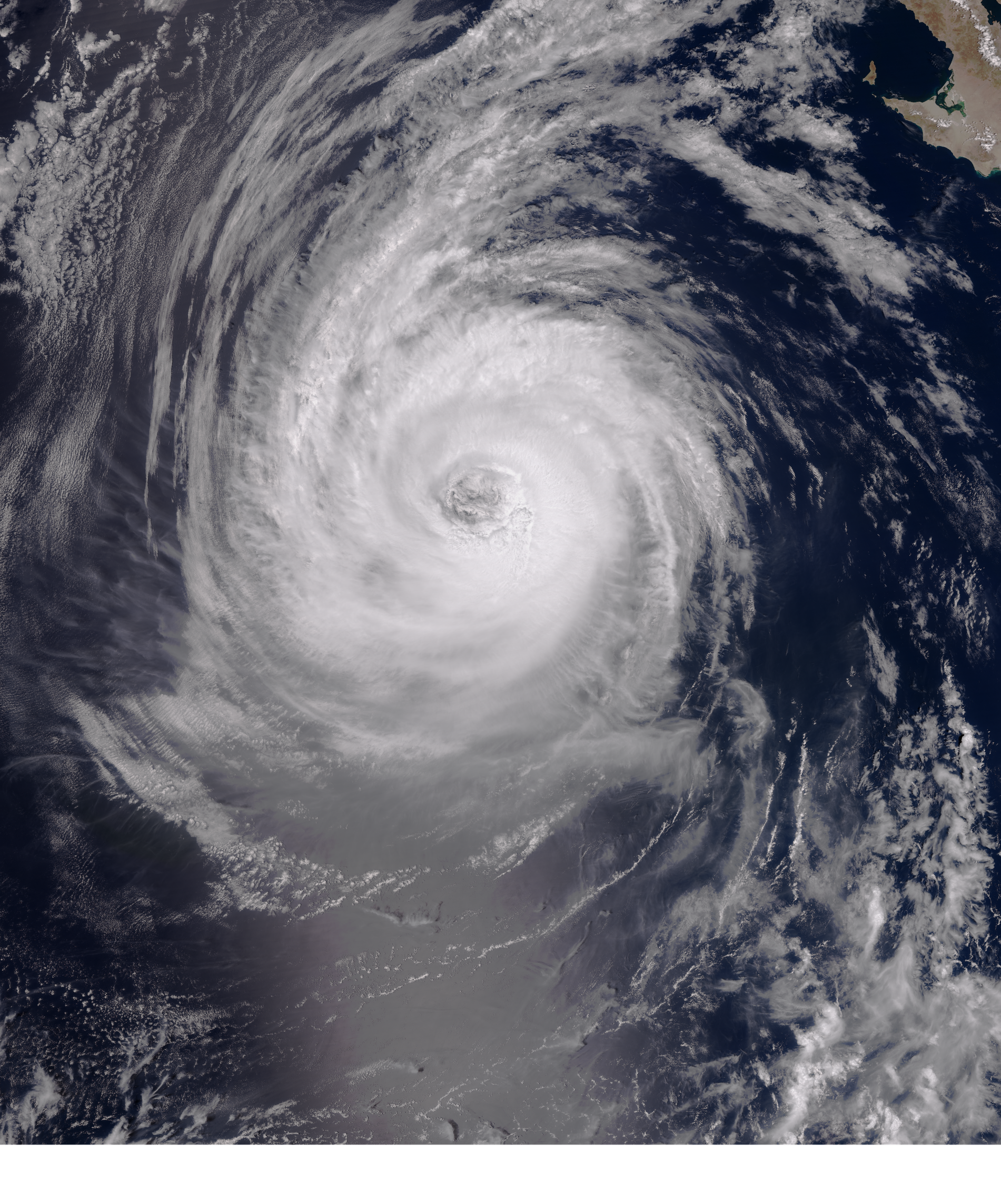
Marie rolled by Southern California between September 6 through September 8 at category 1, eventually slowing down to a tropical cyclone - all this time the hurricane was no closer than 700 miles from shore. The long period swell generated even at that distance was enough to damage homes, piers, and beaches across the coast. Several beach cities were hit hard during Hurricane Marie, including Long Beach, Dana Point, Laguna Beach, San Clemente, Malibu, Carlsbad, and Seal Beach. Since Hurricane Marie hit Southern California in September 2026, Carlsbad, Laguna Beach and Dana Point have all initiated emergency coastal-erosion responses, while major dredging and beach-nourishment operations are simultaneously moving forward in Oceanside and Long Beach ahead of the anticipated El Niño winter.
Global Warming and Sea-Level Rise
Events like this are having a larger impact due to climate change.
Global warming causes sea level rise which allows waves to crash higher upshore. A 2017 report from the US Geological Survey (USGS) projected 31-67% of Southern California beaches could be eroded against cliffs or infrastructure by 2100 if sea level rise continues, or worse, accelerates from its current trajectory. Add in storms like Hurricane Marie and beach erosion will continue to be an issue.
To leave on a positive note, USGS has a more recent report analyzing satellite shoreline data of Southern California beaches. A review of historical data from 1984-2024 has shown there was a net positive of 2 million m2 increase of sand on our shoreline, even though specific beaches have seen significant erosion events. This is largely due to structures like jetties capturing sand as it migrates south. This is not a loss of sand issue, but a loss of migration.
Hurricane Marie offered a dramatic example of how quickly Southern California’s coastline can change. Now, with communities repairing damage and preparing for an El Niño winter, questions about where our sand comes from, where it goes and how we manage it are becoming increasingly important.
The coast has always moved. The challenge is that we’ve built cities expecting it not to.